






CRISPR-Cas
What makes CRISPR-Cas a game-changer in gene editing?
The Clustered Regularly Interspaced Short Palindromic Repeats (CRISPR) — CRISPR-associated protein (Cas) system has transformed gene editing into a precise, powerful tool capable of changing lives. This technology enables targeted genetic modifications with wide-ranging therapeutic potential, including correcting disease-causing mutations in genetic and rare disorders, engineering cells for cell and gene therapies (e.g., CAR-T cells), and modulating cancer-related genes to treat tumors. Notably, CRISPR-Cas9 has enabled Casgevy, the first approved CRISPR-based therapy for sickle cell anemia and β-thalassemia.
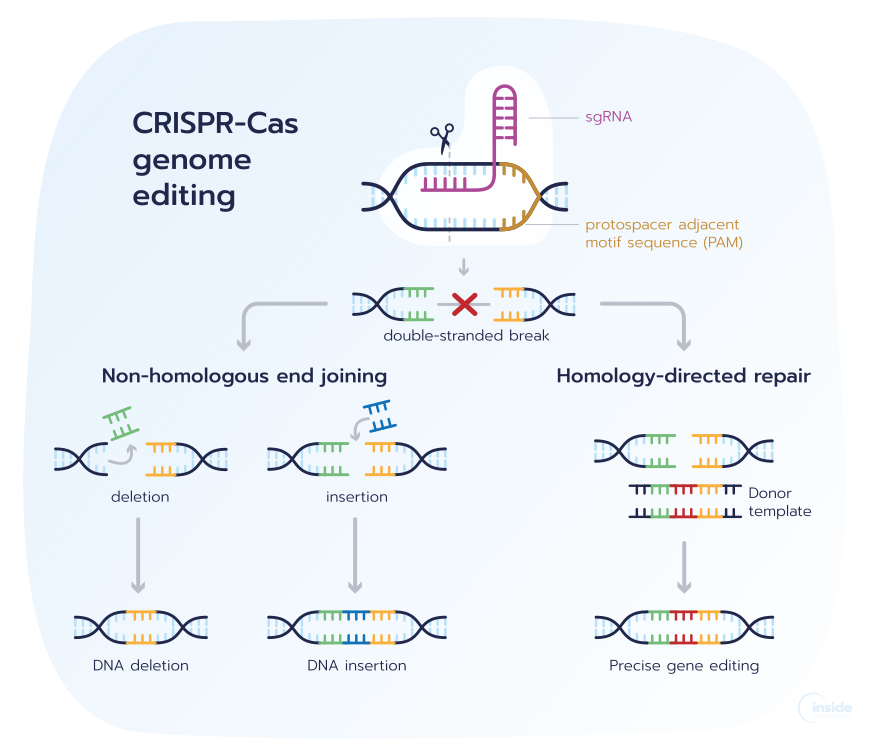
How does CRISPR-Cas enable genome editing?
CRISPR-Cas9 gene editing mechanism
CRISPR-Cas9 uses a Cas9 nuclease guided by a single-guide RNA (sgRNA) to recognize a specific DNA sequence located next to a protospacer adjacent motif (PAM) and introduce a precise double-strand break. The cell then repairs the break using one of two natural pathways: non-homologous end joining (NHEJ), which can disrupt the gene by introducing small insertions or deletions, or homology-directed repair (HDR), which can utilize a donor DNA template for precise modifications.
Alternative CRISPR tools
Beyond Cas9, other CRISPR systems — including Cas12, Cas13, base editors, and prime editors — operate through alternative mechanisms, expanding the possibilities for DNA or RNA editing.
Where is CRISPR-Cas applied?
CRISPR-Cas systems enable precise and permanent DNA modifications, supporting applications from basic research to therapeutic development.
- Genetic & rare diseases: CRISPR can disrupt harmful genes or correct disease-causing mutations.
- Cell & gene therapies: Ex vivo or in vivo genome editing allows engineered cells — such as chimeric antigen receptor (CAR)-T cells, CAR-NK cells — to be used for personalized therapies.
- Cancer treatment: CRISPR can be used to knock out or modulate cancer-related genes, enhancing tumor-targeted strategies.
- Functional genomics: In research, CRISPR provides a rapid way to knock out or modify genes, helping scientists study gene function and validate therapeutic targets.


What are the challenges in CRISPR-Cas delivery?
Efficient and safe delivery of CRISPR components remains a key challenge in translating genome editing into clinical therapies. Target cells — especially immune cells — can be difficult to transfect, and achieving genetic modification at clinical scale might pose challenges. Moreover, immune responses against Cas proteins can compromise in vivo therapies by eliminating Cas-expressing edited cells, whereas transient ex vivo approaches (e.g., mRNA delivery) largely avoid this issue. To reduce off-target activity and mitigate immunogenicity, current strategies increasingly favor delivery formats that enable only short-lived expression of procaryotic enzymes.
The choice of payload and delivery method of CRISPR therapeutics significantly impact both genome editing efficacy and safety.
What are payload options for delivering CRISPR?
CRISPR payload formats
CRISPR tools (Cas nucleases, sgRNAs, and donor templates) can be introduced into cells in different formats: ribonucleoprotein (RNP) complexes, plasmid DNA (pDNA), or messenger RNA (mRNA). Each format follows a distinct intracellular pathway: pDNA requires nuclear entry for transcription, mRNA undergoes translation in the cytoplasm, and RNP complexes are immediately active, shaping the timing and efficiency of gene editing. These formats also vary in their stability and immune interactions.
Advantages of mRNA-based CRISPR delivery
Of particular interest, mRNA-based delivery provides quick and transient Cas9 expression, which improves safety by reducing off-target activity, insertional risks, and immune activation. Once translated, Cas9 protein associates with sgRNA in the cytoplasm to drive genome editing.


How can CRISPR be delivered to cells effectively?
CRISPR delivery strategies
CRISPR components can be delivered via viral or non-viral platforms, including adeno-associated viruses, lentiviral vectors, electroporation, and lipid nanoparticles (LNPs). These approaches differ in cargo capacity, targeting ability, immunogenicity, suitability for ex vivo versus in vivo applications, and clinical readiness.
Lipid Nanoparticles (LNPs) for CRISPR delivery
Within this landscape, LNPs stand out as a clinically proven and scalable platform, offering exceptional versatility for both ex vivo and in vivo gene editing. LNP offers a versatile tool that allow for the delivery of all CRISPR payload format, from pDNA, to mRNA and RNP.
Nevertheless, CRISPR-Cas9 mRNA-LNPs’ transient mode of action supports permanent genome edits while avoiding extended nuclease activity generally makes it the prefered approach. A striking example of their potential is baby KJ, born with carbamoyl phosphate synthetase 1 (CPS1) deficiency, who was rapidly treated using LNP-mediated in vivo base editing — demonstrating the speed, precision, and real-world impact of this delivery technology.
Comparing LNP efficiency for CRISPR delivery in practice
Benchmarking electroporation and LNP for CRISPR delivery in HSCs
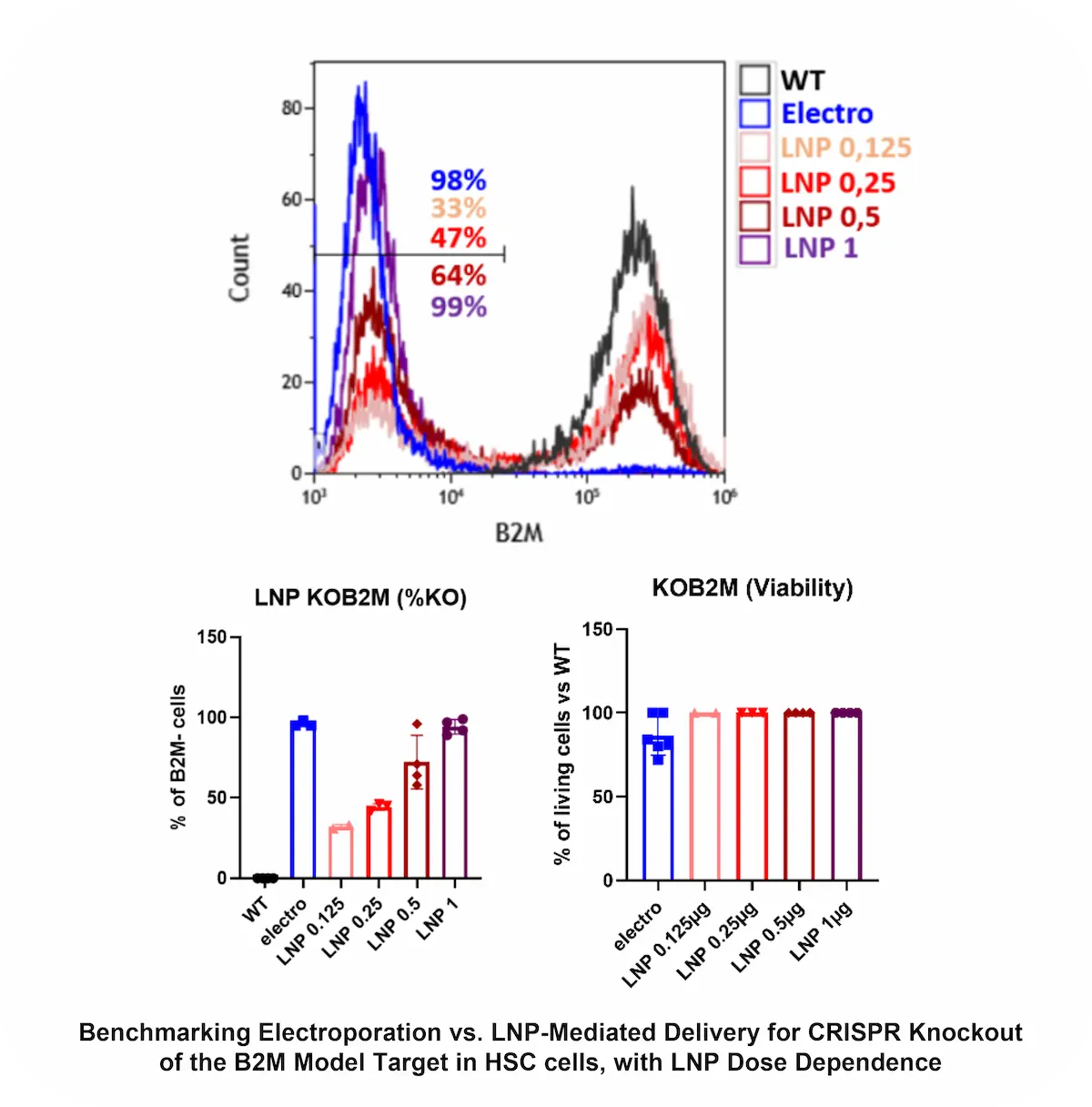
To assess the practical efficacy of CRISPR delivery methods, it is important to compare not only gene editing efficiency, but also cell viability and payload efficiency. In a B2M CRISPR knockout model in hematopoietic stem cells (HSCs), LNP-mediated CRISPR delivery was benchmarked against electroporation, the current state-of-the-art method for ex vivo CRISPR delivery. This comparison showed that:
- At their optimal doses, both approaches achieved similar knockout efficiencies.
- LNP delivery maintained near-zero cytotoxicity, whereas electroporation caused substantial cell death (around 20%).
- Electroporation required a 10-fold higher sgRNA dose to achieve similar results.
These results show that LNPs for CRISPR delivery can match the performance of conventional ex vivo transfection methods while offering broader potential for both ex vivo and in vivo CRISPR applications.
Take a deeper dive into the world of nanomedicine
Check our related content and discover how we can help



How we can help
Want to bring RNA-LNPs into your own lab?
We provide the tools, resources, and expertise you need to work independently with RNA-LNPs:
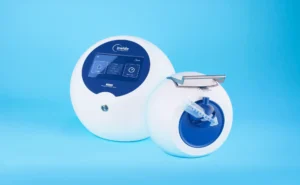
- TAMARA – our integrated microfluidics platform that empowers you to formulate RNA-LNPs encapsulating CRISPR components (sgRNA & mRNA coding for CRISPR) quickly, efficiently and reliably, producing reproducible nanoparticles with ease.
- Lipid kits for reliable, reproducible & benchmarked RNA-LNP preparation.
- Comprehensive resources, including RNA-LNP protocols, application notes, and best practices to support your workflow from design to formulation.
- Training programs that teach practical formulation and handling skills.


Looking to run proof-of-concept using LNP for CRISPR complex delivery?
Our tailored formulation services help you quickly evaluate RNA-LNPs in your own lab or to accelerate your experimental progress:
- LNP design, based on either trusted benchmark compositions (Moderna, Pfizer…) or custom formulations.
- Formulation using microfluidics & purification to ensure a controlled, reproducible and efficient development process.
- Comprehensive CQA characterization, including size, PDI, and encapsulation efficiency, with advanced options such as morphology and payload loading.
- Lipids and/or reporter RNA and/or CRISPR mRNA supply for an end-to-end project solution.
Related resources
Review


Using Lipid nanoparticle (LNP) for CRISPR-CaS9 delivery
Read more
Review

Revolutionizing Gene Therapy: Screening Lipid Nanoparticles for optimal delivery of mRNA and CRISPR-Cas9
Read more
Review

A complete guide to understanding Lipid Nanoparticles (LNP)
Read more
Review


Biodistribution of RNA-LNP, a review
Read more
Review

A guide to RNA-LNP formulation screening
Read more
Review
How to optimize lipid nanoparticle formulation?
Read more
Review

Lipid nanoparticle (LNP) manufacturing methods: A comprehensive guide
Read more
Product

TAMARA
Read more

